
Preventing Acrylic Nail Lifting: Pro Troubleshooting Tips
Acrylic nail lifting is the separation of the acrylic product from the natural nail plate, typically caused by improper nail preparation, cuticle oil contamination, or incorrect liquid-to-powder ratios. Professional nail technicians prevent lifting by ensuring a dehydrated nail surface and applying product accurately to avoid skin contact or flooding the side walls.
Mastering Professional Nail Plate Preparation
Inadequate preparation is the primary cause of premature lifting in professional nail salons.
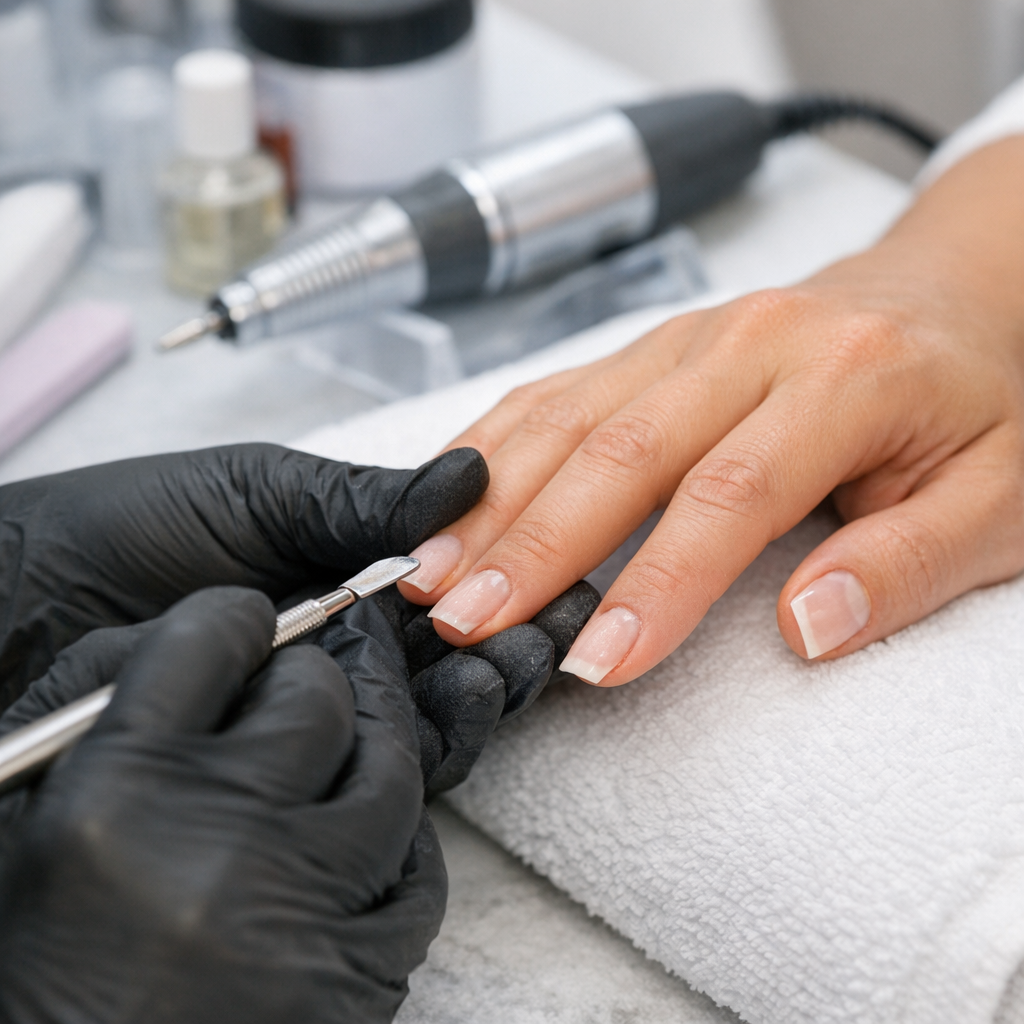
Nail technicians must meticulously remove the true cuticle—the non-living tissue on the nail plate—to ensure the acrylic bonds directly to the keratin.
Degreasing and Dehydrating the Surface
Natural oils and moisture act as barriers that prevent chemical adhesion.
Using a professional-grade dehydrator and primer is essential for techs working in humid climates like Florida or New York.
Always ensure the nail plate appears chalky and dry before proceeding with product application.
Correcting Application Mistakes
Applying acrylic too close to the skin or the proximal nail fold leads to immediate lifting.
As the natural nail grows, any product touching the skin creates a gap that allows moisture and bacteria to enter the seal.
Maintain a tiny margin, roughly the thickness of a hair, between the product and the surrounding skin.
Managing Liquid-to-Powder Ratios
Using a bead that is too wet or too dry compromises the structural integrity of the enhancement.
Wet beads shrink excessively during polymerization, pulling away from the edges and causing gaps.
Nail technicians in California often adjust their bead consistency based on salon temperature to maintain optimal control.
Chemical and Environmental Troubleshooting
The chemistry of the nail bond is sensitive to external contaminants and tool hygiene.
Dust left in the sidewalls after filing can prevent the acrylic from sealing correctly against the nail plate.
Always use a stiff manicure brush to clear all debris before applying your final layers or top coat.
Addressing Structural Cracking and Stress
Incorrect apex placement causes the nail to flex unnaturally, putting pressure on the bond at the cuticle area.
Ensure the highest point of the enhancement is positioned over the stress area to absorb impact.
This structural balance prevents the micro-cracking that leads to significant lifting and product failure.
Sanitation Standards to Prevent Issues
Contaminated tools can introduce oils or pathogens that interfere with the curing process.
Sanitize all metal implements and use fresh files for every client to maintain a clean bonding environment.
Consistent hygiene practices ensure that the nail surface remains pristine for maximum product longevity.
