

Preventing Acrylic Nail Lifting
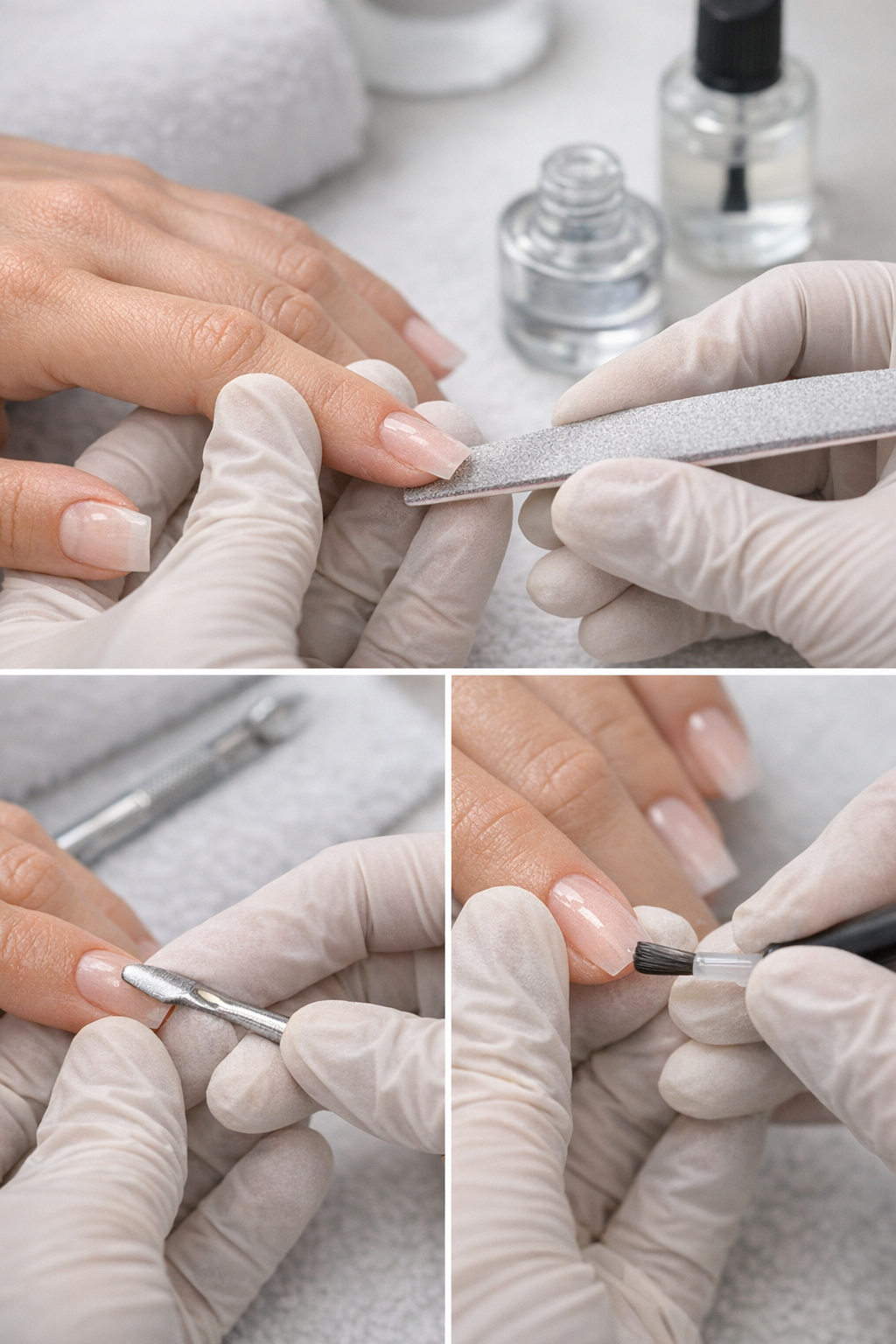
Preventing acrylic nail lifting requires meticulous natural nail plate preparation, including thorough cuticle removal and surface dehydration. Professional nail technicians must achieve a correct liquid-to-powder ratio and ensure the product does not touch the surrounding skin. Proper primer application and sealing the free edge are essential steps for long-lasting acrylic enhancements.
Advanced Natural Nail Plate Preparation
The most common cause of lifting is inadequate preparation of the nail plate.
Technicians must remove all traces of the pterygium, which is the thin layer of non-living tissue attached to the nail.
Using a professional e-file bit or a manual pusher ensures the surface is clean for chemical bonding.
After mechanical cleaning, chemical dehydration is mandatory to remove surface oils.
In humid climates like Miami, technicians should use a high-quality pH balancer and dehydrator.
Ensure the client does not touch their face or hair after this step to avoid recontamination.
Proper Buffing and Texture
Creating a mechanical bond requires a specific nail surface texture.
Use a 180-grit file to gently remove the shine from the natural nail plate.
Over-filing can thin the nail and lead to flexible foundations that cause product cracking.
Mastering the Liquid-to-Powder Ratio
An improper mix ratio is a leading technical error in nail salons across Chicago and New York.
If the acrylic bead is too wet, it shrinks excessively during polymerization, pulling away from the edges.
Conversely, a bead that is too dry will not wet the nail surface sufficiently to create a bond.
Maintain a medium-wet consistency that looks like a frosted pearl on the brush tip.
Work in small beads in the cuticle area (Zone 3) to maintain control.
This prevents the product from flowing into the lateral sidewalls and causing immediate lifting.
Avoiding Cuticle Flooding
Product contact with the skin is a primary reason for service failure.
Always leave a tiny “hairline” margin between the acrylic and the proximal nail fold.
If the product touches the skin, it creates a ledge that catches hair and debris as the nail grows.
Troubleshooting Filing and Finishing Errors
Aggressive filing near the growth zone can vibrate the acrylic away from the natural nail.
Use a fine-grit bit or a hand file with light pressure when blending the product near the cuticle.
Ensure the transition between the enhancement and the natural nail is flush and seamless.
Technicians in high-volume salons in Los Angeles recommend checking the seal of the free edge.
If the acrylic is too thick at the tip, it increases leverage during daily use.
Thinning the free edge reduces the physical stress placed on the stress area of the nail.
Refining the Apex Position
Incorrect apex placement leads to structural instability and eventual lifting at the back.
The apex must be positioned over the stress area to support the weight of the enhancement.
A flat nail profile lacks the strength to resist the daily impacts of manual work.
Client Education and Environmental Factors
Explain to clients that using nails as tools will inevitably lead to lifting and breakage.
Advise the use of cuticle oil daily to keep the enhancement flexible and the surrounding skin hydrated.
This prevents the acrylic from becoming brittle and snapping away from the keratin layers.
Remind clients that prolonged exposure to cleaning chemicals or water can weaken the bond.
Suggest wearing gloves for household chores to protect the integrity of the salon service.
Consistent 2-to-3-week maintenance appointments are necessary to rebalance the apex and seal any minor lifts.
