
Nail Salon Standard Operating Procedures
Nail salon standard operating procedures (SOPs) are documented guidelines that define the workflow, sanitation protocols, and service standards required for daily operations. These procedures ensure every nail technician delivers consistent results, maintains safety compliance, and manages appointment timing effectively to maximize the salon’s revenue and professional reputation.
Implementing Professional Workflow Systems
A structured nail salon workflow begins the moment a client enters the shop. Clear protocols for intake, service selection, and nail technician assignment prevent confusion and reduce wait times.
In busy markets like New York, structured hand-offs between the front desk and the station are vital for maintaining a professional atmosphere. Every team member must know their specific role during peak hours.
Standardizing the check-in process ensures that client preferences and nail health history are recorded accurately. This operational control prevents service errors and improves the overall client experience.
Managing Nail Salon Service Consistency
Uniformity in nail services is the foundation of a successful business. Every nail technician must follow the same manual steps for nail preparation, product application, and finishing techniques.
This consistency builds client trust, as they receive the same high-quality result regardless of which technician performs the service. It also allows for predictable scheduling across all daily shifts.
When service steps are standardized, owners can easily identify where a workflow breakdown occurs. This oversight is essential for maintaining the high standards expected in the professional nail industry.
Staff Coordination and Station Standards
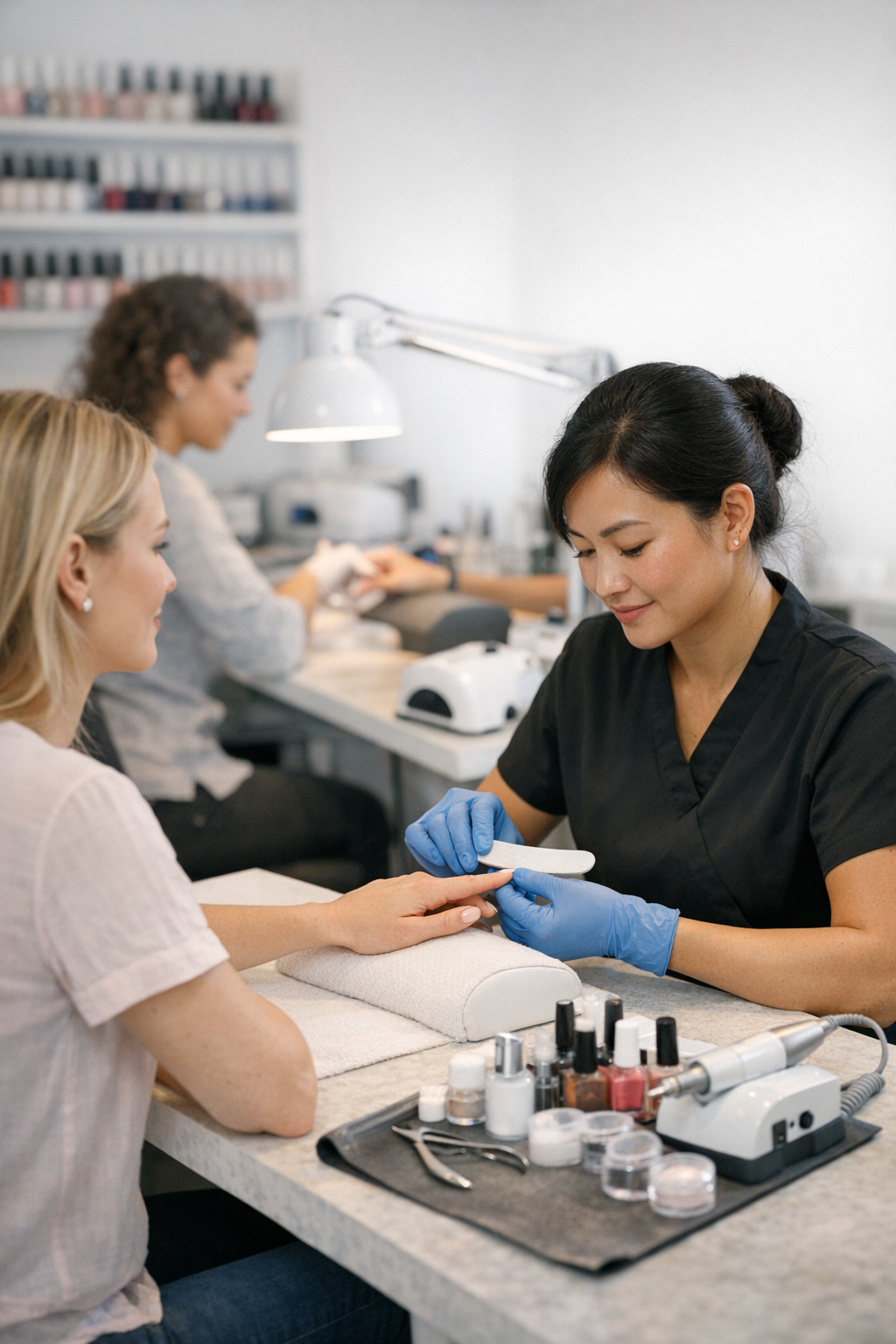
Establish clear rules for station preparation and post-service cleanup to keep the salon running smoothly. Technicians should have a physical checklist to ensure all implements are sanitized between clients.
Organized workstations reduce downtime and allow for more appointments per day. A clean, orderly station reflects the professionalism of the nail salon and ensures all tools are within reach.
Effective staff coordination involves clear communication regarding break schedules and station rotations. This prevents gaps in service coverage and ensures the floor is always staffed appropriately.
Operational Control and Sanitation Standards
Owners in Texas must adhere to strict state board regulations regarding sanitation and chemical handling. Documentation of daily cleaning tasks ensures the salon remains compliant and safe for all clients.
Regular audits of chemical storage and tool sterilization logs maintain high professional standards. These logs serve as a record of the salon’s commitment to safety and operational excellence.
Monitoring the use of monomer, polymer, and gel supplies helps manage overhead costs. Operational systems for inventory tracking prevent stockouts of essential nail products during busy holiday seasons.
Daily Closing and Opening Procedures
Opening routines should include checking inventory levels and preparing soak-off stations for the first appointments. A ready environment allows nail technicians to begin work immediately upon arrival.
Closing procedures focus on deep cleaning pedicure basins and restocking supplies for the following day. Proper waste disposal of nail filings and chemical wipes is a critical safety requirement.
Strict adherence to these operational systems prevents morning delays and reduces technical errors. Well-managed opening and closing shifts are the hallmark of a successful, professional nail salon operation.
