

Preventing Gel Polish Lifting
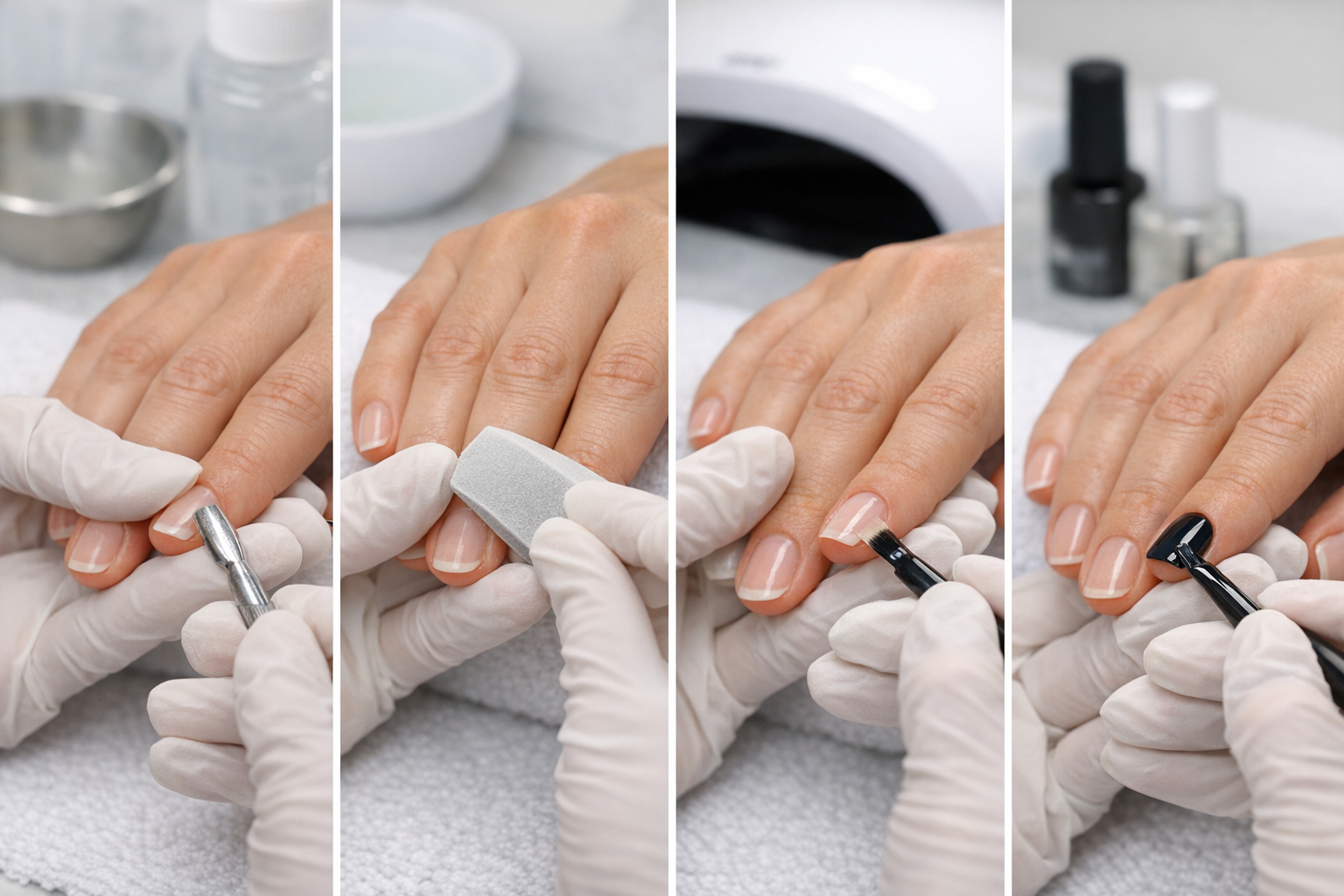
Preventing gel polish lifting requires thorough mechanical and chemical nail plate preparation to ensure maximum adhesion. Professional technicians must remove the non-living tissue from the nail plate, dehydrate the surface, and apply thin, even layers of base coat while capping the free edge to prevent moisture infiltration and premature peeling.
Mechanical Preparation and Cuticle Management
Inconsistent preparation is the primary cause of service breakdown in the nail industry. Use a high-quality e-file bit or a 180-grit buffer to gently remove the shine from the natural nail surface.
Focus on the proximal nail fold and lateral sidewalls to clear away all non-living tissue. Remaining cuticle on the nail plate prevents the gel from bonding, leading to immediate lifting at the base.
Technicians in high-volume salons in Los Angeles often use specific diamond bits to ensure the transition between the skin and the nail plate is perfectly clean and debris-free.
Chemical Dehydration and Priming Standards
In high-humidity regions like Florida, ensuring the nail plate is moisture-free is critical for durability. Use a professional-grade pH balancer followed by a dedicated nail dehydrator to remove surface oils.
Apply a non-acid primer or an acid-based primer depending on the client’s specific nail chemistry and history. Allow the product to air dry or flash-bond according to the manufacturer’s specific instructions.
Proper Base Coat Application Techniques
Apply the base coat in thin, scrubbed-in layers to fill the microscopic grooves of the natural nail plate. Avoid flooding the cuticle area, as gel touching the skin causes a ledge that inevitably lifts.
Always cap the free edge of the nail during the base and top coat steps. This creates a structural seal that protects the bond from daily wear and prevents water from seeping under the product.
Troubleshooting Common Curing Errors
Incomplete polymerization often looks like lifting but is actually a curing failure. Verify that your LED or UV lamp wattage meets the manufacturer’s requirements for the specific gel brand you use.
Check for “dead zones” in your lamp and replace units if bulbs lose intensity over time. Many salons in New York encounter lifting issues simply because of aging equipment or improper hand placement.
Solving Edge Cracking and Peeling
If lifting occurs at the free edge, the cause is often a thick application or a lack of structural support. Ensure the apex is correctly placed to absorb the stress of daily impact.
Advise clients against using their nails as tools for opening containers or scraping surfaces. Mechanical stress will cause the gel to pull away from the edge regardless of how perfect your prep was.
