
Nail Salon Standard Operating Procedures
Nail salon standard operating procedures are documented protocols that define service workflows, sanitation requirements, and administrative tasks within a nail facility. These systems ensure consistent execution of nail services, maintain safety compliance with state boards, and streamline technician transitions, providing nail salon owners with a structured framework for daily operational management.
Implementing Professional Workflows for Nail Technicians
Efficient nail salon operations begin with a standardized workflow that every technician follows from the moment a client enters the building. This includes specific steps for greeting clients, managing the consultation process, and preparing the nail station for the scheduled service.
By establishing a uniform routine, salon owners in states like California can reduce downtime between appointments. This structure helps maintain a professional environment where technicians understand their specific roles during peak business hours.
Station Preparation and Reset Protocols
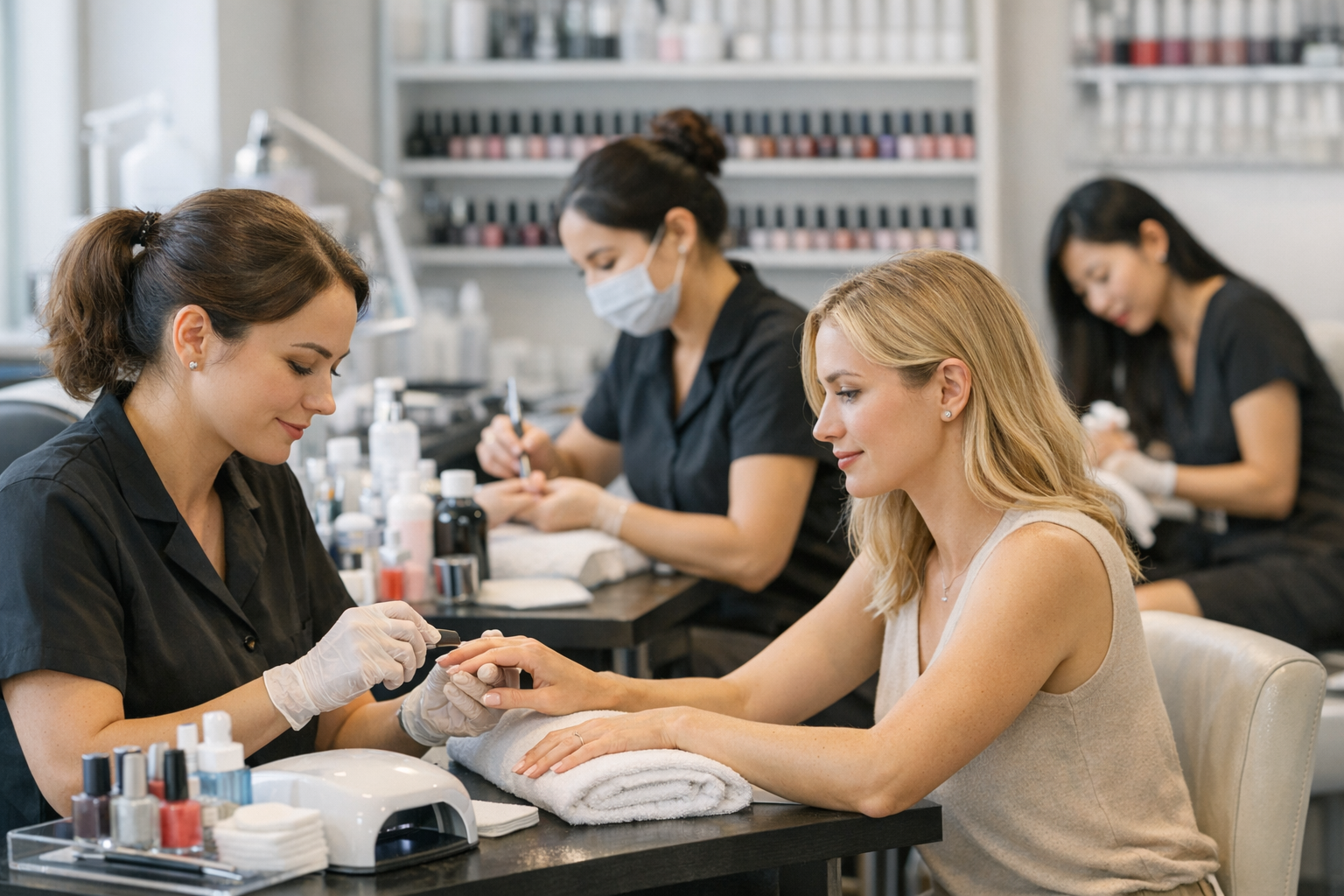
A critical component of nail salon standard operating procedures is the station reset protocol. Every technician must follow a checklist to ensure the workspace is cleared of debris and all nail tools are properly organized before the next client arrives.
This systematic approach prevents cluttered desks and ensures that the necessary professional nail liquids, powders, and files are within reach. It also guarantees that the next client experiences a clean and welcoming service area every time.
Scheduling and Time Management Systems
Accurate timing is essential for maintaining a profitable nail salon. Standards should clearly define the maximum duration allowed for each service, such as a full set of acrylics or a structured gel manicure, to prevent schedule overlaps.
Management must enforce these time blocks to ensure that no technician falls behind, which can disrupt the entire salon’s daily flow. Consistent timing allows for predictable appointment booking and higher client throughput during busy shifts in Texas salons.
Staff Coordination and Communication Standards
Clear communication between the front desk and the nail technicians is vital for operational success. Standardized procedures for handling walk-ins, cancellations, and service upgrades help minimize confusion and maintain a calm atmosphere.
Staff meetings should be held regularly to review these operational standards and address any bottlenecks in the service chain. This ensures that every team member remains aligned with the salon’s quality expectations and professional conduct requirements.
Sanitation and Operational Safety Compliance
Maintaining high sanitation standards is not only a legal requirement but a core operational pillar. Nail salon standard operating procedures must detail the exact steps for disinfecting foot baths, sterilization of metal implements, and disposal of single-use items.
Proper chemical handling and storage procedures must be documented to ensure the safety of both the staff and the clients. Following these strict guidelines protects the salon from liability and ensures compliance with professional industry health regulations.
Inventory Control and Supply Management
Operational control extends to the management of professional nail supplies and back-bar inventory. A standardized system for tracking usage and reporting low stock levels prevents service interruptions caused by missing products.
Designating specific days for inventory audits and ordering helps salon owners manage their overhead costs effectively. This organized approach to supply management supports a consistent service menu and prevents unnecessary waste within the facility.
